Working on Dialaxy has been one of the most challenging and rewarding SEO projects I’ve been involved in. When I joined the project in December 2024, the website already had strong potential in the SaaS space, but several technical and structural issues were preventing it from reaching consistent organic growth..
This was not just another SEO campaign where a few keywords were optimized and backlinks were built. The project required deep technical troubleshooting, strategic planning, team coordination, content restructuring, and continuous monitoring to build sustainable long-term organic growth.
In this case study, I’ll explain exactly how I approached the project, what problems I discovered, the strategies I implemented, and how we were able to improve the website’s overall SEO performance within a short period of time.
About the Project
Dialaxy is a large-scale SaaS-based platform operating in both B2B and B2C segments. Since the website was heavily content-driven and built on WordPress, maintaining technical SEO health while scaling content operations was one of the biggest priorities.
When I became involved in the project, my responsibilities included:
- Building and improving the overall on-page SEO strategy
- Assisting the project manager within the Scrum workflow
- Troubleshooting and solving technical SEO issues
- Developing content strategy with the content team
- Optimizing and updating existing content
- Executing off-page SEO strategies
- Maintaining content quality across the site
- Monitoring growth through SEO tools and analytics platforms
The project involved collaboration with multiple professionals including SEO executives, content writers, and strategists. My role focused heavily on strategic execution and solving the core issues that were limiting the website’s growth potential.
The Initial Website Audit
Before making any changes, I conducted a full SEO audit of the entire website.
I always believe that before scaling traffic, it’s important to understand what is currently blocking growth. Instead of randomly publishing content or building links, I wanted to identify the exact technical and on-page problems affecting the website.
After auditing the site, I divided the issues into two major categories:
1. Technical SEO Problems
The website had several technical issues that were negatively affecting crawling, indexing, and overall SEO performance.
Some of the major problems included:
- Sitemap issues
- Broken internal and external links
- Poor image ratio optimization
- HTML source code inconsistencies
- Indexing inefficiencies
- Structural crawlability problems
Although some of these issues may appear small individually, together they created major inefficiencies for search engine crawlers and negatively impacted overall performance.
2. On-Page SEO Problems
After the technical audit, I analyzed the site structure and content optimization.
I found several on-page issues including:
- Weak internal linking structure
- Improper SILO implementation
- Inconsistent blog formatting
- Missing or poorly optimized alt texts
- Content structure inconsistencies
- Weak topical relationships between pages
The site had content potential, but the structure wasn’t fully optimized for SEO scalability.
Building the Execution Strategy
After identifying all the major pain points, I created a structured execution roadmap.
Since the project involved a large team, proper task distribution was extremely important. Instead of trying to solve everything alone, I divided the workflow strategically to ensure faster implementation and efficient execution.
The team structure included:
- On-page SEO specialists
- SEO executives
- Content writers
- Content editors
- Project coordination support
I worked closely with the team to prioritize tasks based on impact level.
The execution plan focused on:
- Fixing technical SEO problems first
- Rebuilding on-page SEO structure
- Improving content quality and organization
- Scaling the link-building campaign
- Monitoring performance continuously
Solving Technical SEO Issues
The first major phase of the project focused entirely on technical SEO.
I began fixing:
- Sitemap structure problems
- Broken links
- HTML code issues
- Image optimization problems
- Crawl inefficiencies
This process took approximately one month.
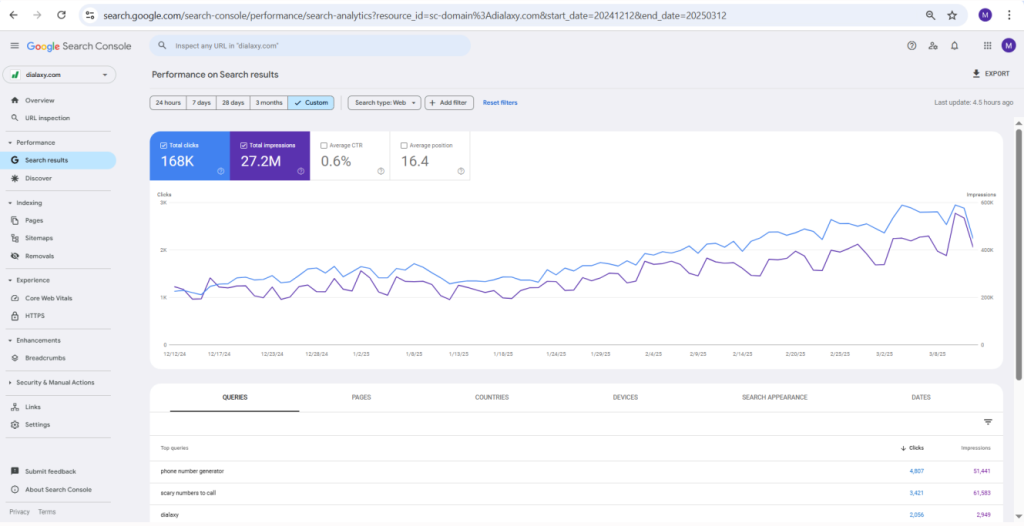
One important thing I learned during this phase is that technical fixes sometimes create temporary volatility in rankings and traffic. During mid-January, we experienced a short-term traffic dip while restructuring sitemap and indexing components.
However, instead of panicking, I continued monitoring the implementation carefully and focused on stabilizing the technical structure.
Once Google began processing the updated structure properly, the site started recovering and growing much faster than before.
Rebuilding the Internal Linking Structure
One of the biggest improvements came from restructuring the internal linking architecture.
The previous structure lacked proper topical organization, which weakened the relationship between important pages.
To solve this, I implemented a stronger SILO-based internal linking strategy.
This helped:
- Improve crawl flow
- Strengthen topical relevance
- Increase authority distribution
- Improve user navigation
- Enhance indexing efficiency
I also optimized blog formatting and improved overall content organization to make the site more user-friendly and SEO-focused at the same time.
Content Strategy & Optimization
Alongside technical SEO improvements, I worked closely with the content team to rebuild the content strategy.
Instead of publishing random articles, we focused on:
- Search intent optimization
- Topical relevance
- Better content structure
- User-focused formatting
- Content updates and refreshes
- SEO optimization for existing pages
I continuously reviewed content quality and ensured that optimization standards were maintained across the website.
The goal wasn’t simply to publish more content — it was to build a content ecosystem capable of generating sustainable organic traffic over time.
Scaling the Link-Building Campaign
Once the technical foundation became stronger, I started focusing more aggressively on off-page SEO and authority building.
We scaled the link-building campaign strategically while ensuring that the overall site structure was already optimized internally.
This combination of:
- Technical SEO
- On-page optimization
- Content strategy
- Link-building
created a strong momentum for organic growth.
The Results
After several months of continuous optimization and execution, the improvements became clearly visible across multiple SEO tools and analytics platforms.
The website started gaining stronger visibility, improved rankings, and better organic performance overall.
Some of the major improvements included:
Organic Traffic Growth
After fixing the core issues, the site began accelerating upward from late January onwards.
The traffic growth became much more stable and sustainable compared to earlier fluctuations.
Keyword Ranking Improvements
Several important keywords started improving in rankings due to:
- Better internal linking
- Improved technical structure
- Content optimization
- Increased topical relevance
This resulted in stronger visibility across search engines.
Higher Traffic Value
As rankings improved, the overall traffic value also increased significantly.
This indicated that the website was not only gaining more traffic but also attracting higher-value search visibility.
Improved CTR Performance
One of the most important long-term improvements came from landing page optimization.
By improving page structure, metadata optimization, and user relevance, we were able to increase click-through rates significantly over time.
Challenges Faced During the Project
Like every large SEO project, this one also came with multiple challenges.
Some of the major difficulties included:
- Managing technical fixes without affecting live performance
- Handling temporary traffic fluctuations
- Coordinating large-scale content operations
- Maintaining consistency across optimization processes
- Scaling SEO while keeping content quality high
However, these challenges also helped me improve my problem-solving abilities and strategic thinking as an SEO professional.
Key Lessons From This Project
This project reinforced several important SEO principles for me:
Technical SEO Is the Foundation
Without a strong technical structure, scaling content and backlinks becomes much harder.
Internal Linking Matters More Than Most People Think
A properly structured internal linking system can drastically improve crawlability, topical relevance, and ranking distribution.
SEO Requires Team Coordination
Large-scale SEO projects cannot rely on isolated work. Collaboration between SEO specialists, writers, editors, and developers is extremely important.
Sustainable SEO Takes Time
Quick wins are possible, but sustainable organic growth comes from consistent optimization and long-term strategic execution.
Tools I Used During the Project
Throughout the project, I continuously monitored performance using:
- Google Search Console
- Google Analytics
- Ahrefs
- SEMrush
These tools helped me analyze traffic behavior, technical health, keyword rankings, indexing status, and growth trends.
Final Thoughts
Working on Dialaxy gave me the opportunity to work on a large-scale SEO project involving technical SEO, on-page optimization, content strategy, and team collaboration simultaneously.
From auditing the website and fixing technical issues to improving internal linking and scaling organic visibility, I was actively involved throughout the entire growth process.
The project continues to grow, and I’m still continuously monitoring performance, optimizing strategies, and improving different SEO components to maintain long-term traffic sustainability.
This case study represents not only the growth of a website but also the importance of strategic SEO execution, patience, consistency, and continuous improvement.